06.09.2026 Наши люди
VIDEO: PULSAR. World’s First Laser Cleaning of a Nuclear Reactor Pressure Vessel Developed at VUJE
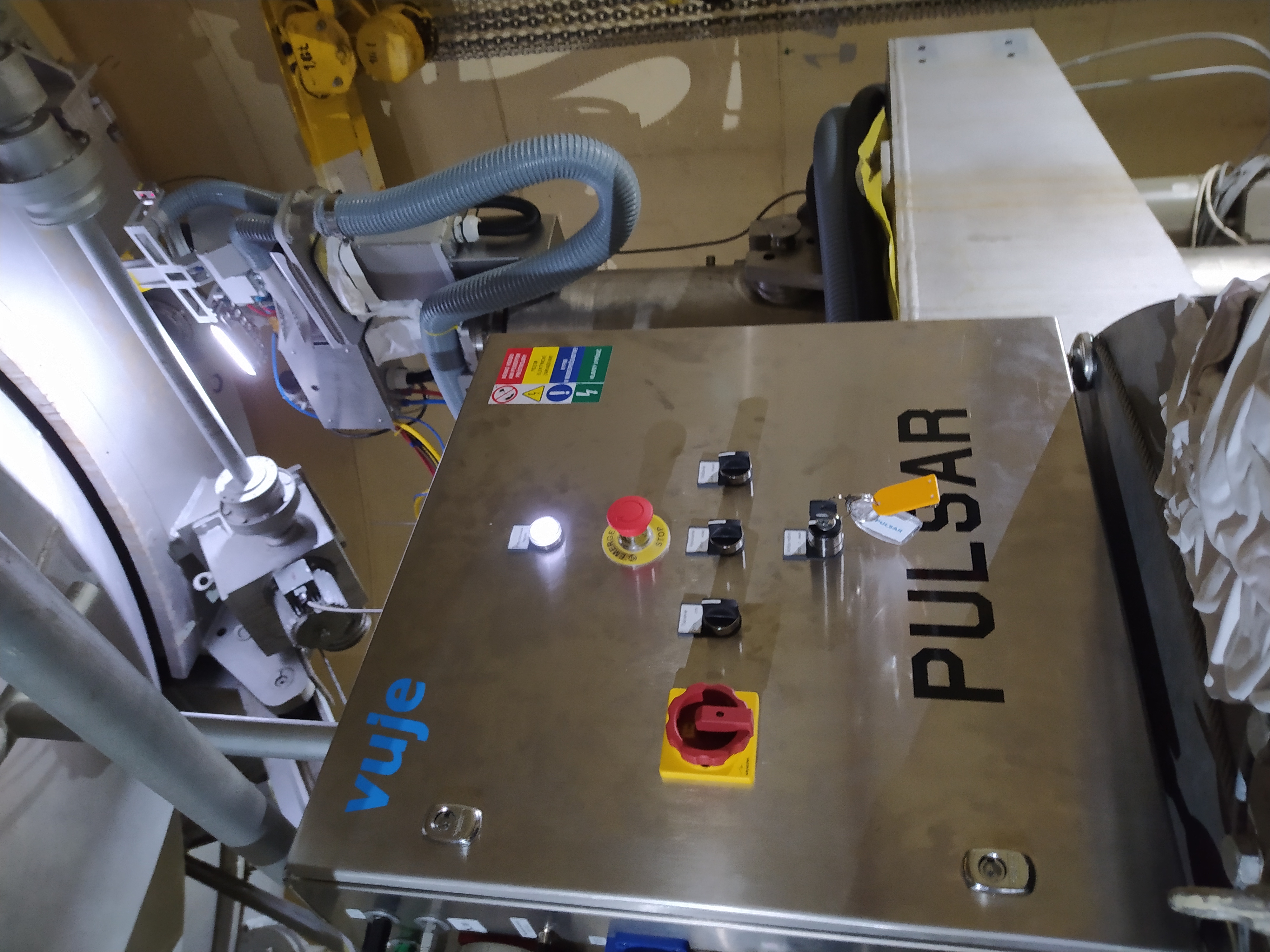
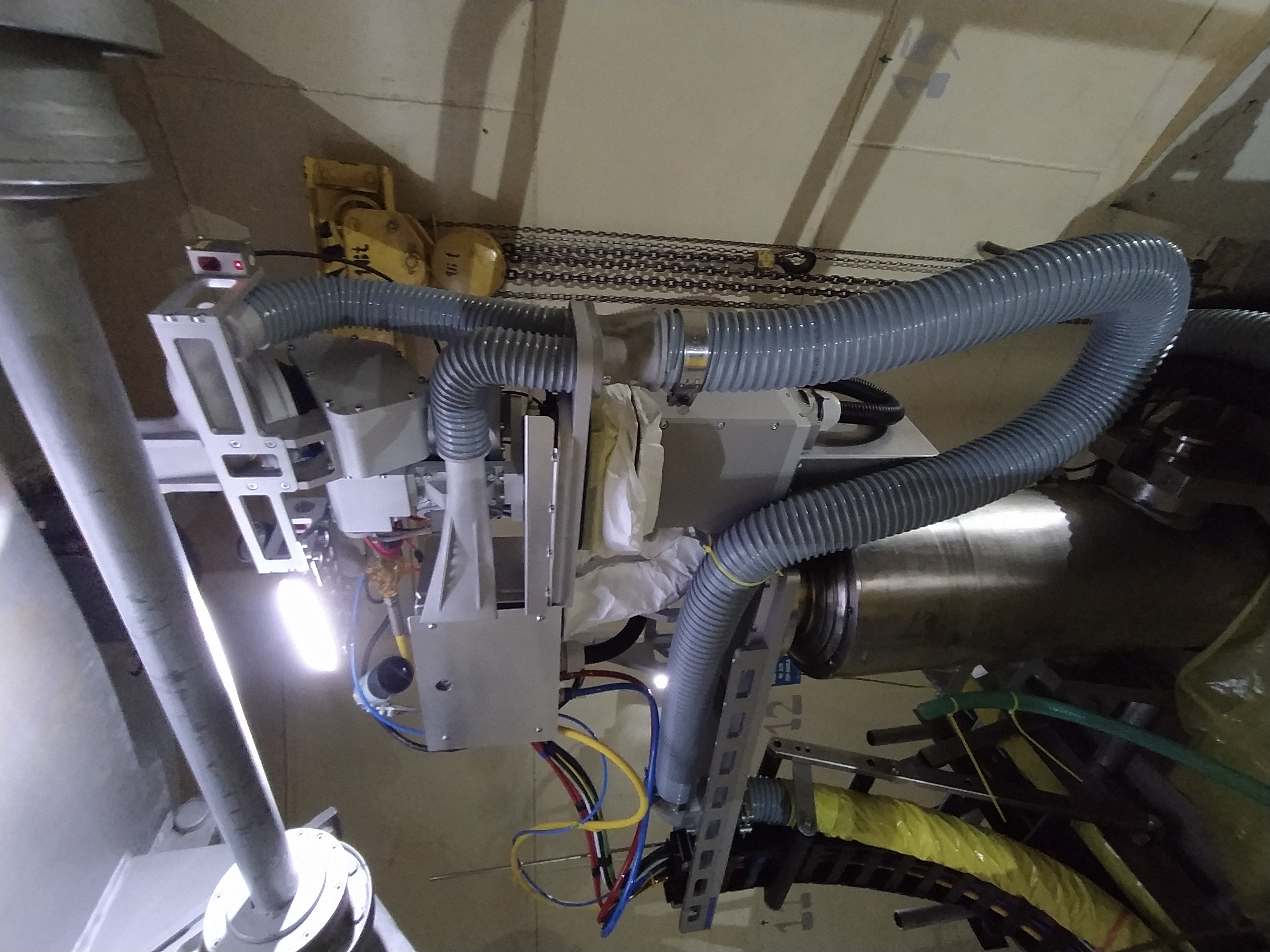
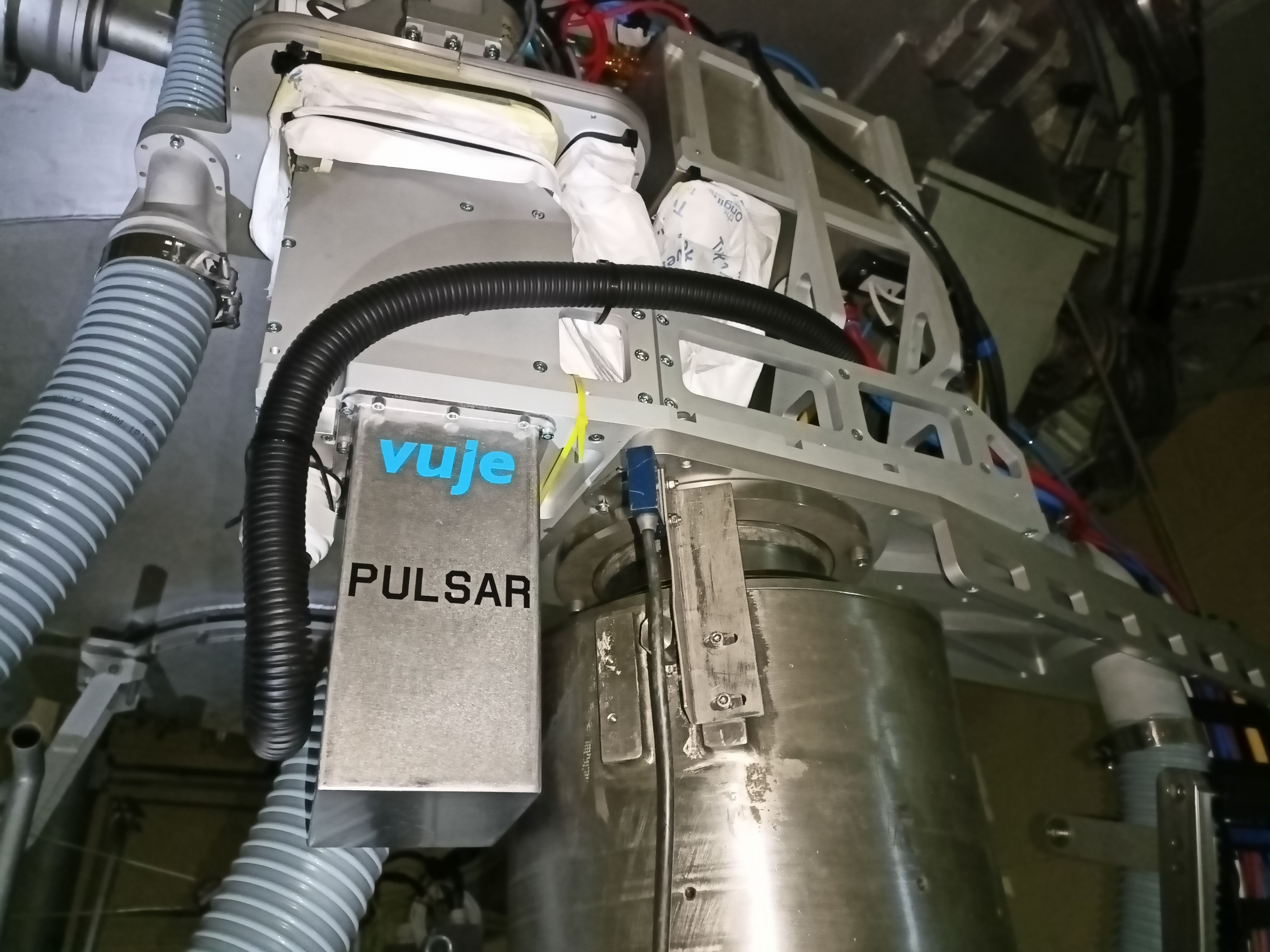
Throughout a nuclear power plant’s service life, the reactor pressure vessel must be kept in a condition that permits inspection and safe operation. Until now, it has been cleaned mechanically. Our Diagnostics of Nuclear Power Plants Division at VUJE developed PULSAR, the first device in the world to clean it by laser – with no chemicals, no material removal and no damage to the material. It has since found further applications. Adrian Kovalyk, division director, explains in the video.

The assignment came from Slovenské elektrárne: to clean the outer surface of the reactor pressure vessel at Jaslovské Bohunice Unit 4 without affecting either the surface or the material structure. Existing methods – brushes and grinding discs – could not guarantee this.
“We took on the plant’s challenge to clean the reactor pressure vessel without chemical or mechanical damage to its surface. We proposed laser technology, which we developed over roughly six months. The resulting device was deployed during the outage, and we cleaned the vessel to a high gloss,” says Adrian Kovalyk, Director of our Diagnostics of Nuclear Power Plants Division (pictured).
VUJE verified the effectiveness and safety of laser cleaning for the reactor pressure vessel experimentally as early as 2023. Development of the device itself – from contract signature to delivery – took just over six months. The name PULSAR combines laser pulses and the word reactor.
The device generates ultrashort laser pulses that remove contaminants without thermally affecting the substrate. It uses no additives or chemicals and does not remove base material. It operates in the 300 mm gap between the reactor and the reactor cavity. It was deployed during a planned unit outage with the active involvement of the Slovenské elektrárne team; the cleaning itself took up to 48 hours of machine time.
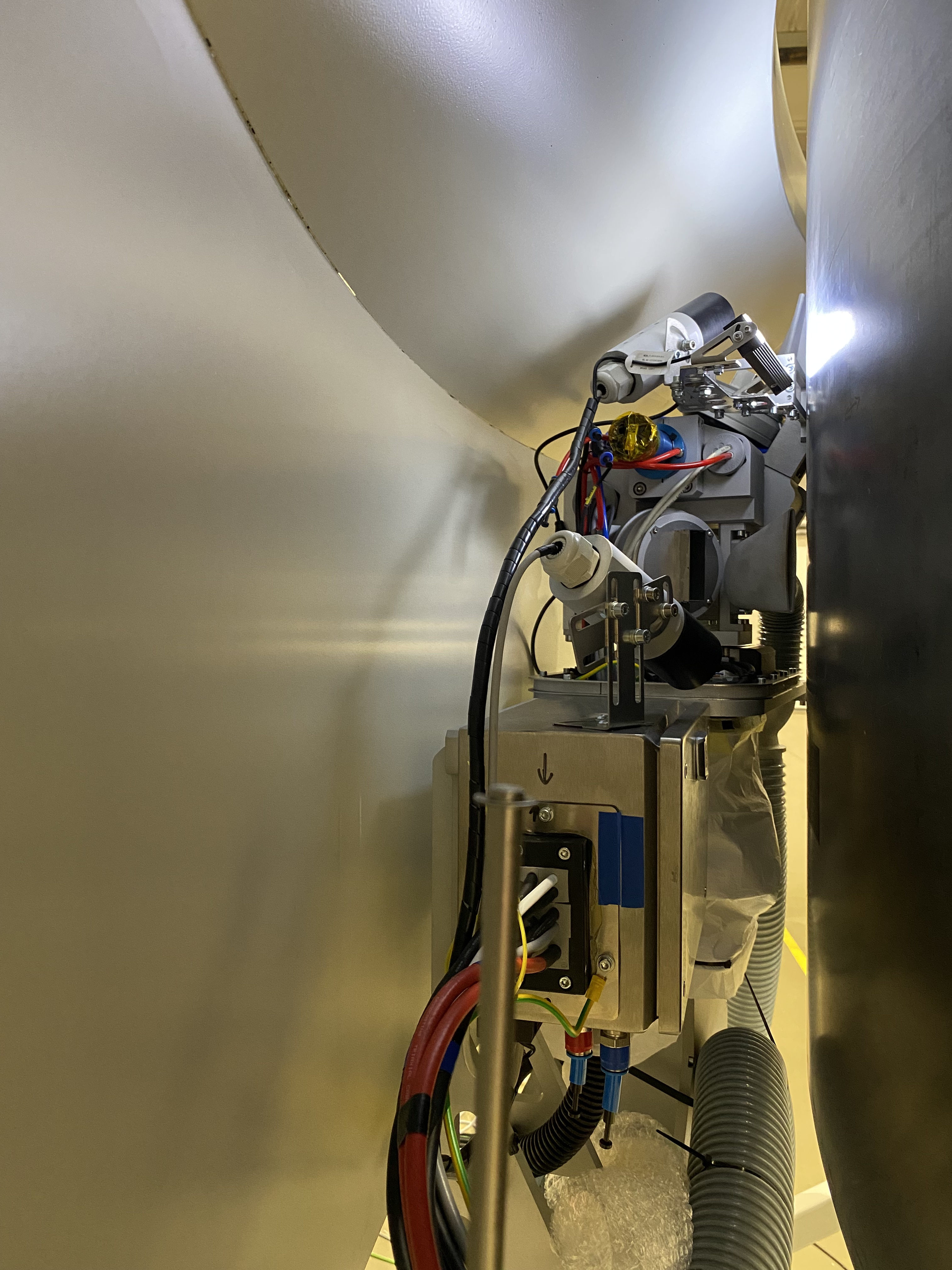
“For the design engineers, the challenge was the confined space in which the device had to move. For the operators, it was the time window for completing all work without jeopardising the outage schedule,” explains Adrian Kovalyk.
“This was the first known case of laser cleaning of a reactor pressure vessel in the world. Thanks to the technical solution, the surface was cleaned to a metallic lustre, with no material removal or damage,” said Adrian Kovalyk in 2025 after the technology was deployed. Lasers are commonly used in nuclear power for decontamination, but we were the first to apply them to cleaning the surface of a reactor pressure vessel.
Thirty-five specialists worked on the project: 24 from VUJE and 11 from partner companies LASCAM and MELMAR. As prime contractor, our company provided the technology design, engineering, manufacture of mechanical and electrical components, cleaning methodology, sample testing, expert assessments, staff training and on-site technical support at the plant. The project was led by Ondrej Haršányi, Head of VUJE’s Design Department and Development.
“What is unique and cannot be bought on the market are our products for nuclear power plants, which few others in the world have. We designed, engineered, manufactured and delivered them to our customers ourselves,” says Adrian Kovalyk of what sets the division apart.
PULSAR has since been given another task. With a handheld add-on head, it was used at Slovenské elektrárne to clean steam generator studs. Laser cleaning can also be applied to other primary and secondary circuit components and to equipment at other types of power plants; as the basic shapes of pressure vessels are similar across reactor types, the technology has potential beyond VVERs. This year, VUJE presented it at the European Robotics Forum 2026 in Stavanger, Norway, together with the IRIS 24 telerobot. The division’s design engineers are already working on another laser application – plugging steam generator heat exchanger tubes by laser welding of plugs.
“We are proud of our people, whose knowledge, skills and work contribute significantly to the technological progress and safety of nuclear power,” concludes Adrian Kovalyk.